Hey guys!
I've been gone for...well...forever. I'm not sure if people still read this blog tbh (let me know below if you even see this post!).
For anyone left who is interested in knowing what I'm up to, I've started a new blog over at i think it's ashley, so follow along over there! I love this blog with all my heart, it was my first, but it is hard to keep a blog going that you started when you were 17, ya feel me?
Also, I'm a contributor to the InternMatch blog, and my first article went live! Check it out here and comment/thumbs it up to show some love. I'd love to get more people to see my work, but it takes high view count to stir up interest at first :) So that is where I turn to my lovely readers!
For anyone reading this, thank you so much. For everything. For giving me my blogging start. I won't really be keeping up with this blog (again, find me over here now), but I won't delete it because I've had a few people over the years pop up once in a while on here and let me know that they're still reading. So for the sake of nostalgia, I'll keep it here.
Check out my first InternMatch article and if you do, leave a comment saying "Haewon or Bust!" to let me know this post sent you!
Much much much love.
Wednesday, February 4, 2015


Wednesday, July 16, 2014
Study Abroad Series: 5. Life After Study Abroad
When you think study abroad, you
think about pre-departure nerves and all of the adventures you will have while
studying in the country of your dreams. But have you thought about what it will
be like once you return home from your magical time abroad?
I know I didn’t. I was
only concerned about adapting to a foreign culture and country. A few weeks
before the semester ended, I started getting extremely sad about the thought of
leaving. But I still didn’t imagine what it would be like to be back home. And
let me tell you, it was bad.
Reverse culture shock is
definitely a thing, as is feeling suddenly bored and depressed when you return
back to your “normal” life. You go abroad, fall in love with another country,
and then have to learn to readapt to your life back home. You’ve likely had a
suspension of normal responsibilities during your time abroad, so returning
back home is a slap in the face. The first time I studied abroad, I was ok in
the summer but when I flew back down to school, the post-study abroad
depression really sunk in. How did I deal with it? I studied abroad again…
That’s not usually a
viable solution for most people, and isn’t an option this time around for me
either, so I have to start figuring out ways to be happy at home (and just look
forward to the next time I can go abroad!). Here is how I’m combating reverse
culture shock and how you can, too.
1. Figure Out What You Liked About Your Host Country…And Do It
You’re missing your host
country for a lot of reasons, and you’re not sure what they all are. Break it
down and figure out what it was exactly that you loved so much, then recreate
it. Sure, you might not be able to replicate the nightlife atmosphere or the
busy city streets, but you can find ways to have similar experiences. Don’t
expect to relive your study abroad at home, but find new spins on those
cultural habits that you have come to love. For me, that would mean hosting my
own dinner parties with pasta and wine late at night and loooong in duration,
something I grew to love in Italy. Or, it would mean getting my friends
together to drink and sing karaoke like we did in Korea. If you can figure out
what you miss, then you can introduce it to your friends and experience a piece
of it at home.
2. Buy A Cookbook
Chances are, you grew to
love some or all of the foods you ate in your host country. As a way to keep
busy and fight off post-study abroad boredom, learn to make some of your
favorites! Visit a used bookstore and pick up a cheap cookbook with cuisine
from your host country. It will be fun to go to the store and pick up all the
necessary ingredients, and even more fun to introduce your friends or family to
the things you’ve been eating for months!
3. Make A Scrapbook
It sounds a little Martha
Stewart-y, but it’s a nice way to relive your travels. Printing out the photos,
figuring out how to arrange them, then having an awesome keepsake is a nice way
to be able to revisit your time abroad for years to come!
4. Travel At Home
This one is possibly the
most obvious and hardest to do. When you return home, you’re no longer
constantly surrounded by foreign sights, sounds, and smells. But you can be.
The Seattle area is more foreign to me than Florence, Italy because I never
felt compelled to explore ‘home’. Look up places that serve weird food, go
antique shopping, look up the best parks or hiking trails, find out if the area
you live in have outdoor movies in the park in the summer, sign up for a
cooking class, visit a museum! All the explorations you did abroad can be done
where you live. You can even book a cheap flight one state over and stay in a
hostel. Take a short road trip to the Largest Ball of Yarn (or whatever else)
and take tons of hipster disposable camera photos. Just go out, explore, do it!
5. Be a Social Butterfly
Missing your study abroad
gets worse the more time you have to dwell on it. If you’re constantly
surrounded by friends (or making new ones!), it takes your mind off of it. You
can start planning your next travel experience, but in the meantime, enjoy
being around others. I know I was much more social while abroad, and part of me
missing it so much was that I wasn’t constantly surrounded by people when I
went back home. If you don’t have many people to hang out with, make new
friends! Join a club, watch your sports games at a bar, just be around people.
It feels a lot nicer.
Tuesday, July 8, 2014
Study Abroad Series: 4. 10 Tips for Study Abroad Packing
For those of you about to study abroad, I've made a list of 10 important things to keep in mind before you jet off to Europe/Asia/Latin America/Australia/if you're going to Australia please record some men talking and send it to me drooooool. Some of these SEEM obvious, but read what I have to say because there are some small details in there that people tend to overlook (not just me, but my friends who have studied abroad as well!).
1. Make Copies of Everything! (Extra copies of passport, visa, international health insurance, birth certificate if you're dealing with those needs like I had to, credit card in case it gets stolen, directions/phone numbers/contact information for arrival.) You'll likely be able to make copies of everything pretty easily later on, but it might cost more money/be out of your way/you may lose something along the way and need a copy immediately, so just be prepared.
2. Don't Overpack. Such a typical piece of travel advice but it's true. First study abroad I took two checked pieces of luggage, second study abroad I took one and a carry on duffel bag. I had too much stuff both times. Only bring toiletries you can't get abroad or are expensive abroad (some countries don't really carry tampons and deodorant, peanut butter is expensive in Europe and Asia, etc.). Don't bring duplicates of shoes/clothing items. I thought I packed light and only wore 1/2 of the clothes I brought.
3. But Pack A Lot Of...Necessities. If you take birth control, vitamins, have prescription meds, get motion sick and need to take something during travel, have allergies, use special sensitivity toothpaste or face lotion, make sure you have enough to last the month, semester, year, summer, whatever. It took me a long while and a bit of a fight for my insurance to give me five months supply of birth control for my semester abroad. So make sure you have what you need and do it in plenty of time. Also, underwear. You can do spring break with two shirts and one pair of pants but you NEED 7 pairs of clean underwear. That's life, people.
4. Know the Climate. It sounds so simple but REALLY look at the typical climate/temperature of where you're going. I assumed Italy would be warm for spring semester and we only got to wear our summer clothes the last two weeks of study abroad. And we weren't prepared for the rain in Florence. AND I checked the climate before I left, I guess I just didn't believe it (Under The Tuscan Sun tricked me, dammit!).
5. Exchange Rate. Look up the exchange rate. Memorize it. Live by it. 5 dollars, 5 euros, and 5 pounds are NOT THE SAME. They're not roughly the same. Especially when buying flights/tickets/while traveling, make sure you know if the ticket is in dollars, pounds, euros, won, yen, etc.
6. Phone. If you have a smart phone (I'm guessing most of my readers), and are taking it abroad, explore your options. International phone plans on your current carrier are probably not the best for longer term study abroads. They're costly. You can get your phone unlocked (different policies for different networks but it was so easy and quick to do through Verizon for my iPhone) and rent an international SIM card for whatever country you are studying in or a general European SIM. You can also rent phones/SIM cards once you get there. Pre- and post-paid options available. Many schools/programs also offer deals. Look into that.
7. Adapters/Converters. Easy to forget about, but buy adapters (adapt the plug so that the prongs fit into the right socket) and converters (converts the energy so that it can be used on different electrical currencies) as necessary. And don't forget to PACK THEM. I won't get into adapters vs. converters or what things need what (there is already informational overload online on those topics). Also, don't forget that if you're traveling while abroad, the other countries you are visiting may need different adapters. For example, Italy and England require different adapters.
8. Don't bring...School supplies (paper, folders, binders) that are the wrong size. They use A4 in Italy and Korea (and elsewhere), so my folders/binders/paper were all too small for the GIANT PAPER. You can bring some for personal use, but some of my professors only wanted the correct size paper (aka NOT the 8.5 x 11 paper I had). If you're going to school there, there WILL be a place to buy school supplies. Bring black pens if you want, they often require things to be written in pen (again, you can buy once there).
9. Buy a Travel Scale. You can buy one on Amazon for less than $10, and it comes with a battery. It's really helpful when making sure your luggage is underweight while traveling abroad, and it will be important to avoid the hefty overweight fees on your international flight back home. If you are even one pound over, international flights can charge you an extra $100 to check your bag. Just invest the $10 or whatever it may be. It's worth the peace of mind and you can use it forever.
 |
| Any of you dream about studying abroad, about to study abroad, or already have? Let me know in the comments! |
 |
| This is much harder on cobblestone streets, so don't be this lady. |
 |
| Sort of a random photo but I like, so I put |
4. Know the Climate. It sounds so simple but REALLY look at the typical climate/temperature of where you're going. I assumed Italy would be warm for spring semester and we only got to wear our summer clothes the last two weeks of study abroad. And we weren't prepared for the rain in Florence. AND I checked the climate before I left, I guess I just didn't believe it (Under The Tuscan Sun tricked me, dammit!).
 |
| Learn how to use the exchange rate boards if you don't already! |
6. Phone. If you have a smart phone (I'm guessing most of my readers), and are taking it abroad, explore your options. International phone plans on your current carrier are probably not the best for longer term study abroads. They're costly. You can get your phone unlocked (different policies for different networks but it was so easy and quick to do through Verizon for my iPhone) and rent an international SIM card for whatever country you are studying in or a general European SIM. You can also rent phones/SIM cards once you get there. Pre- and post-paid options available. Many schools/programs also offer deals. Look into that.
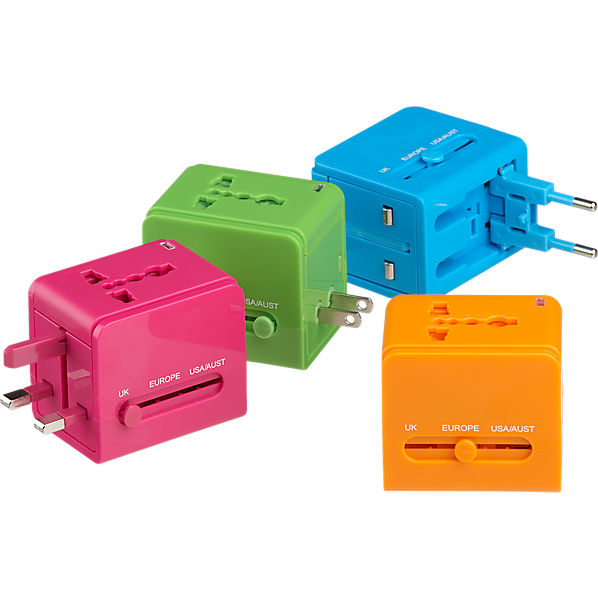 |
| These are much prettier than the ones I have! |
8. Don't bring...School supplies (paper, folders, binders) that are the wrong size. They use A4 in Italy and Korea (and elsewhere), so my folders/binders/paper were all too small for the GIANT PAPER. You can bring some for personal use, but some of my professors only wanted the correct size paper (aka NOT the 8.5 x 11 paper I had). If you're going to school there, there WILL be a place to buy school supplies. Bring black pens if you want, they often require things to be written in pen (again, you can buy once there).
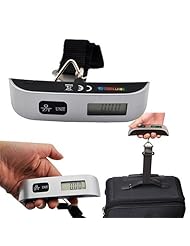 |
| This is the luggage scale I have, about $10 with shipping in the US |
 |
| Victoria's Secret Stretch Hip Pack $29.50
10. Safety Items. The truth is, you will be a tourist while you're abroad. You will be a target for pickpocketing. If you're a girl, take a purse that zips AND latches shut, but also one big enough to fit your phone, water bottle, camera, Chapstick, or whatever else you might need for a full day out exploring. I know people who have had their purses zipped open and robbed without them even noticing. People also had phones stolen right from their hands (they did notice that one). This was in Florence, Italy. So buy a safe purse, definitely nothing that is open at the top. I found a lot of cheap options at Forever 21 and Nordstrom BP. Also consider buying an invisible fanny pack (a super thin one that goes under clothes and is hidden) for carrying cash, card, key, passport, ID, etc. It sounds stupid but once I took a girl I just met to the hospital and we only knew her first name and she saved herself by having an invisible fanny pack with all her information in it! Even Victoria's Secret has something similar, but much cheaper and thinner clasped versions can be found online.
|
There are my 10 tips for those who are gearing up to go abroad! If you have anything to add, leave a comment below so others can have even more good ideas of what to pack, leave behind, and prepare!
Thanks readers!
-A
Thursday, June 26, 2014
Study Abroad Series: 3. Tips for the Right Study Abroad Experience
Not everyone who studies abroad loves it. It’s a
fact of life that as much as you might think it will be the best experience of
your life, it might be really underwhelming, even disappointing.
My
first study abroad experience in Seoul, South Korea was ab-so-fricking-lutely
amazing. I had so much fun at night on the weekends, ate good food, made
friends for life, and came back a completely changed person (more confident,
more independent, more in love…). My second semester abroad was in Florence,
Italy. I cherish my experience and came back a bit more mature, a bit more
jaded, and a bit less in love.
Everyone
kept asking me to compare my two experiences and the truth is, I feel madly in
love with one experience and had a pleasant time with the other. They were completely
different and hard to compare, but if I had to, I would say I loved one more.
The
reason? There were several. My second study abroad was not thought through, it
wasn’t a decision I made with only myself in mind, it was a place I chose to go
to out of necessity for the classes it offered, not because I was interested in
the language or culture.
Since I’ve had both LIFE
CHANGING and ‘good’ experiences abroad, I thought I would share some things
that I think you should consider when crafting your ‘perfect’ study abroad
experience.
 |
| Valentine's Day in Verona, Italy. How romantic! |
1. Length Studying abroad for a summer or January term class will give
you a different experience than a semester-long trip, which is different than a
year-long trip. A month abroad is enough to get to know a place, to get a taste
for it, to be comfortable in it, but might not be enough for you to really ever
feel like you’re living like a local. Many of those classes also keep you
grouped with other students from your school, so you get less of a chance to
meet others. A semester gives you that opportunity to ‘be’ a local and make
friends with locals because you spend roughly four months living in the same
place. Spend a year abroad and you will for sure feel like the place is forever
a second home. You might not love your experience or the town/city/village you
live in, but you’ll find that you get to know it so well that it becomes a part
of you. You might also get really homesick or bored being away from home for so
long. Duration of your stay abroad makes a huge difference in your experience.
2. Purpose In order to have that OMGTHATWASAMAZING, NEVERGONNALEAVE
feeling while studying abroad, it is important that you are going for the right
reasons. Figure out your purpose for going abroad and make decisions
accordingly. Want to become fluent in Spanish? Don’t go to Barcelona or Brazil
(get edu-ma-cated, people!), consider a less touristy area so that you are
FORCED to speak the language, choose a less popular destination so that you
aren’t solely surrounded by other English-speaking students. Find your reason
for being abroad, make sure it’s your OWN reason and that you’re not going to
satisfy mom/dad, your best friend who is dragging you along, a
boyfriend/girlfriend who wants you to go, too. I have made the mistake of going
abroad with other people in mind, and I have friends who have done the same,
and we had really great times but never fell madly in love with the country.
 |
| If you're living in the city center of Florence, where most exchange students live, you won't see much green. The photo above is one of the most green sights you will see from the center. If you CANNOT live without tons of nature around you (I'm from the Pacific Northwest so I can relate), choose your location accordingly! |
3. Location DO NOT, I repeat, DO NOT make
this decision lightly. They say “location, location, location” for a reason,
people! I promise you, location will make or break your study abroad
experience. Figure out if you want a big city, small city, town, village,
countryside, etc. Do you want to be in a touristy area that is really diverse
and where everyone will speak English to you, or perhaps a lesser known/smaller
area where you will be required to speak their language? Do you want to go
hiking or explore the rain forest regularly or are you fine with being far from
nature? Do you want to be in a country that has easy access to other countries
so you can travel a lot, or do you want to spend your time in one country,
exploring its different parts? Are you ok with a high cost of living (which may
hinder your ability to go out as often or travel as much) or do you want to go
to a country where the dollar goes farther? Do you require reliable electricity
and hot showers or could you survive in a smaller village where those might not
be available to you?
I didn’t do my research on
Florence (or Seoul, for that matter) and was surprised that it was almost
exclusively tourists in the city center itself, which is where most of us
lived. It was great because I didn’t speak Italian, but it was a problem when
it came to getting an authentic Italian experience. Also, Florence was way too
small for me. I love HUGE cities like Seoul, NYC, Rome, Paris, Barcelona.
Figure out what you want,
research the foods, customs, languages spoken, size, climate, etc. online (read
people’s blog posts, there are tons of people writing about their time abroad).
Watch travel videos and shows! Seriously! I’m giving you homework to watch TV!
Try anything Anthony Bourdain, “An Idiot Abroad”, or Samantha Brown’s “Passport
to Europe”. They don’t show what studying there will be like, but they show you
what it looks like and about their culture. If you want to be in Asia, you have
to know the differences between each country, because they are HUGE. If you
want to be in Europe, being surrounded by the French will not be similar to
being surrounded by Italians (trust me). KNOW BEFORE YOU GO, and you will be SO
much happier, promise.
 |
| This is an English Breakfast. Yes? No? Look up the food of the country before you go, especially if you are picky. You don't go to England for amazing food, you go to France, Italy, Japan, etc. You don't go to China to find Harry Potter, you go to England. So many considerations! (P.S. This cost £7 aka $12 USD.) |
4. Cost I’ll keep this short because it’s a depressing topic, for me at
least. The cost of living is important. London is SUPER EXPENSIVE, like, I went
there for four days during spring break and had bananas and crackers for the
last two days because I went broke. I traveled a lot when I was based out of
Florence, but if my dreams of being surrounded by Hogwarts students and British
YouTubers had come true, I would not have done half the things I did while in
Italy, purely because I would have had to direct all my funds towards London’s
high cost of living. (Try Prague if you want to live cheaply in Europe, they’re
not on the pound or the euro. Don’t go to Switzerland if you don’t want
expensive.)
5. Popularity Some places are super popular study abroad/tourist
destinations. London, Florence, Barcelona, Paris. Some are less popular. Some
are really popular primarily among Americans, some are popular with Europeans.
If you want to be surrounded by lots of international students from around the
world, or if you want to be surrounded by lots of other Americans, OR if you
don’t want to be surrounded by other foreigners at all, choose accordingly.
Florence is all Americans. Seoul had a lot of Europeans. To put it simply.
6. Alone vs. With a Friend/BF/GF I have a thing against people who study
abroad in the same place as their BF/GF. When you’re young, it is important to
have your own experiences, be independent, choose for yourself. If you break up
with your boo-boo-baby, would you still want to go where you’re going alone?
Would your memories of your time be ruined if you broke up? Would your
relationship survive four months apart and if not, why? Ok, I will stop playing
therapist now. Just consider it, PLEASE.
Going with a friend is
different, though. My time abroad was made better by having a friend with me
because I am shy and slow to make new friends and, only having four months
abroad, I didn’t want to spend half of it just finding people I clicked with.
IF you are a person who is slow to make friends and have trouble with it, it
CAN be an issue when you’re thrown into situations like these. It’s much easier
to make friends abroad, everyone is so open to meeting new people, but if you
have a friend who wants to go where you do and you’re worried about going
alone, go with a friend! Just make sure to branch out once you get there, meet
new people, and develop some memories on your own.
If you have any thoughts on this post or thoughts on studying abroad,
let me know in the comments! Add some of your own tips if you have them!
Happy travels,
-A
Wednesday, June 25, 2014
Study Abroad Series: 2. Think you can't study abroad? Think again!
I had never really
considered studying abroad before college because it was something that just
seemed too expensive. I never thought I would be able to afford it, but two
semesters abroad later, I am so glad that I didn’t write it off before looking
into it. Here are some common roadblocks to studying abroad and why they may be
easier to overcome than you think! If you think you can’t study abroad, think
again!
 |
| Colosseum in Rome, Italy! |
1. It’s too expensive!
Studying abroad can
be expensive, without a doubt. There are many costs to consider: the flight,
traveling during your time abroad, factoring in that you will be going out more
than usual, etc. But studying abroad doesn’t have to be expensive. In fact, it
could even be less than your normal tuition. For me to study abroad, I continue
paying my school’s normal tuition rates, as if I were taking classes at my
university, and they apply that tuition towards my education abroad. However, a
lot of universities and study abroad institutions have their own rates, and if
you apply to them directly, you might actually be paying LESS than your normal
semester tuition, so that is something to look into on your own time if your
university doesn’t provide that information for you (and why would they? They
want to make money, too!).
In terms of day to day
costs, you don’t have to pay more than you would at home. If you choose London
or Paris, you will be paying an arm and a leg to go out and, if you’re on a
tight budget, won’t have much money left over to travel. But you can choose a
city where you’re dollar will go further (some areas of South America and
Southeast Asia, for example). That way, you still get the full study abroad
experience and have money for restaurants and activities with friends, but you
won’t be breaking the bank. In fact, depending on where you live now, you could
even be saving money!
For paying for the
flight costs, look to scholarships and programs that provide free airfare. My
university provides free airfare for two study abroad locations (Prague being
one of them, which is a super popular trip destination in Europe for study
abroad students and also really cheap!). Airfare can be one of the biggest
expenses for studying abroad, so look to see if your university offers free
airfare for any programs. Also, try looking for scholarships. I applied to one
through not through my school, but through the study abroad agency itself and
got $1000 that I put towards airfare. It was a HUGE help!
 |
| My trip to Vatican City |
2. I’m afraid I won’t graduate on time!
That’s a legitimate fear, and unfortunately, if
you’re at the point where you realize you can’t graduate on time and also study
abroad, there isn’t much to be done. However, if you are in your first or
second year and fear that going abroad will stop you from graduating on time,
do some research first! My school’s global education website shows a list of
classes that the overseas schools offer and what they translate over to. I
thought I wouldn’t be able to study abroad the second time, but the ONE class I
needed for my major happened to be offered in Florence, Italy. I never would
have considered studying there, but it had the class I needed and I wanted to
go abroad! As soon as you become interested in studying abroad, set up
appointments with your academic advisor and a study abroad advisor. Ask them
what classes you would need to take and when and if studying abroad is a
possibility. Make sure you will get into the classes you will need, though. If
they are super competitive to get into and you go abroad one semester hoping to
get the class the next semester, it could be a pretty risky situation. ASK YOUR
ADVISORS. They are free, they are knowledgeable, and they have helped countless
students do this. They are your best resource if you need help.
 |
| Vatican City, Italy |
3. I won’t be able to find the classes I need!
I mentioned this already, but I found the classes I needed
to be able to spend two semesters abroad in two different countries, and I’m a
film studies major so it’s not exactly common for me to find the classes I need
abroad. It was hard but after a lot of research, I found what I needed. If
you’re a business major, there are tons of schools that are accredited
worldwide for you to choose from. Take international accounting or marketing
abroad! If you still need them, it’s the perfect time to take GE’s (general
education requirements like art, science, English, social studies, etc.). The
earlier on you study abroad, the more GE’s you will have left, and it’s easiest
to find classes to take when you just need to take GE’s. So another piece of
advice for people with majors that are harder to find classes for is to study
abroad early (like sophomore year).
 |
| Vatican City, Italy |
4. I have never been away from home/I am too afraid
to go to a foreign country! I go
to school out of state and when my family left me in California, I bawled for
days. I was not adventurous by any means at 18 years old. But it was the best
thing that I could have done for myself because now, at 21, I have been all
around the world by myself and I don’t plan on stopping anytime soon. It is
scary, but if you’re like me, you will always have this nagging feeling of
needing to see the world, and it won’t go away until it is satisfied. Will you
have the time of your life and never want to go home and fall in love and
become a pop star like Lizzie McGuire? No. You might hate it. But your other
option is to always wonder what it would have been like, and that’s no way to
live at all!
More practically, it helps to go abroad with someone you
know. My first semester abroad in Seoul, South Korea was with one of my best
friends from college. We had an amazing time together and it made adjusting a
lot easier. The second time, I knew no one. Even if you don’t have a friend
that wants to go abroad with you, or to the same place, you can still meet
people! Join the study abroad groups for the semester/year/city you are
participating in, and if your university or program has a page, join that too. If
your school doesn’t already organize meet ups, reach out to the others studying
abroad in the same place as you and have a couple get-togethers beforehand.
That way, you can coordinate flights, arrange to meet up at the airport, have a
familiar face, ask them questions, etc.
Just remember, studying abroad is like your freshman year of
college. Everyone is new, nobody knows each other, and everyone wants to make
friends. People who travel are usually friendlier than the average person
because they are open to new experiences and people (I swear it is true!). Make
sure to put yourself out there from Day 1, meet people to explore the city, for
drinks, for dinner, for lunch, for clubbing. People form groups fast, so it is
really important to meet as many people as possible in that first week!
 |
| Roman Forum, Rome, Italy |
5. My parents won’t let me!
This one is hard, because I had such supportive parents.
But, not everyone was as lucky as I was and they had to take some time to
convince their parents. Usually parents are scared that you will be unsafe, or
that you will go too crazy abroad, or they’re afraid of cost. Refer back to my
first point for cost worries, do your OWN research, and impress them with it.
If you’re parents are scared for your safety or that you
will be a devil child while abroad, perhaps choosing the ‘right’ location would
help ease their minds. Find somewhere safe to study (hint: don’t go to Thailand
right now. Or Egypt.), present them with the facts and go from there. Or if
they don’t want you to be on a booze cruise the whole time, try picking a
smaller city or even a village if you’re into that. If you’re studying Spanish
and want to go to Peru or studying art history and want to go to Florence or
Paris, sell that point to them. Choose a location based on your academic
interests and tell them why it would be such an invaluable experience.
I also had some friends whose parents wouldn’t let them do a
semester abroad so they compromised on a summer or interterm (January session,
if you have it) course abroad. They were with other students from my university
plus the professor the entire time, got a few credits out of it, it didn’t put
them back for graduation, and their parents could handle the four weeks apart
(barely). If that doesn’t work, tell them how important it is to have international
experience these days (Michelle Obama agrees with me on this!). You could try to get
an internship abroad, too.
I hope some of these
suggestions helped to make studying abroad seem more feasible for you. If you
have any other roadblocks you’d like help with, leave a comment below and I’ll
get back to you!
Happy travels,
-A
Subscribe to:
Posts (Atom)